
Gujarat - 360004
+91 92282 48117
contact@domain.com
From initial part design to final casting inspection, Mahadev Technocraft follows a systematic and quality-focused manufacturing process to deliver precision-engineered shell mould casting dies.
At Mahadev Technocraft, every project is executed through a carefully controlled manufacturing workflow. Our process combines engineering expertise, advanced machining capabilities, accurate fitting, and stringent inspection to achieve the required dimensional accuracy and surface finish.
From 3D part development and die design to simulation, VMC machining, fitting, and final casting validation, every stage is performed with attention to detail and reliability.
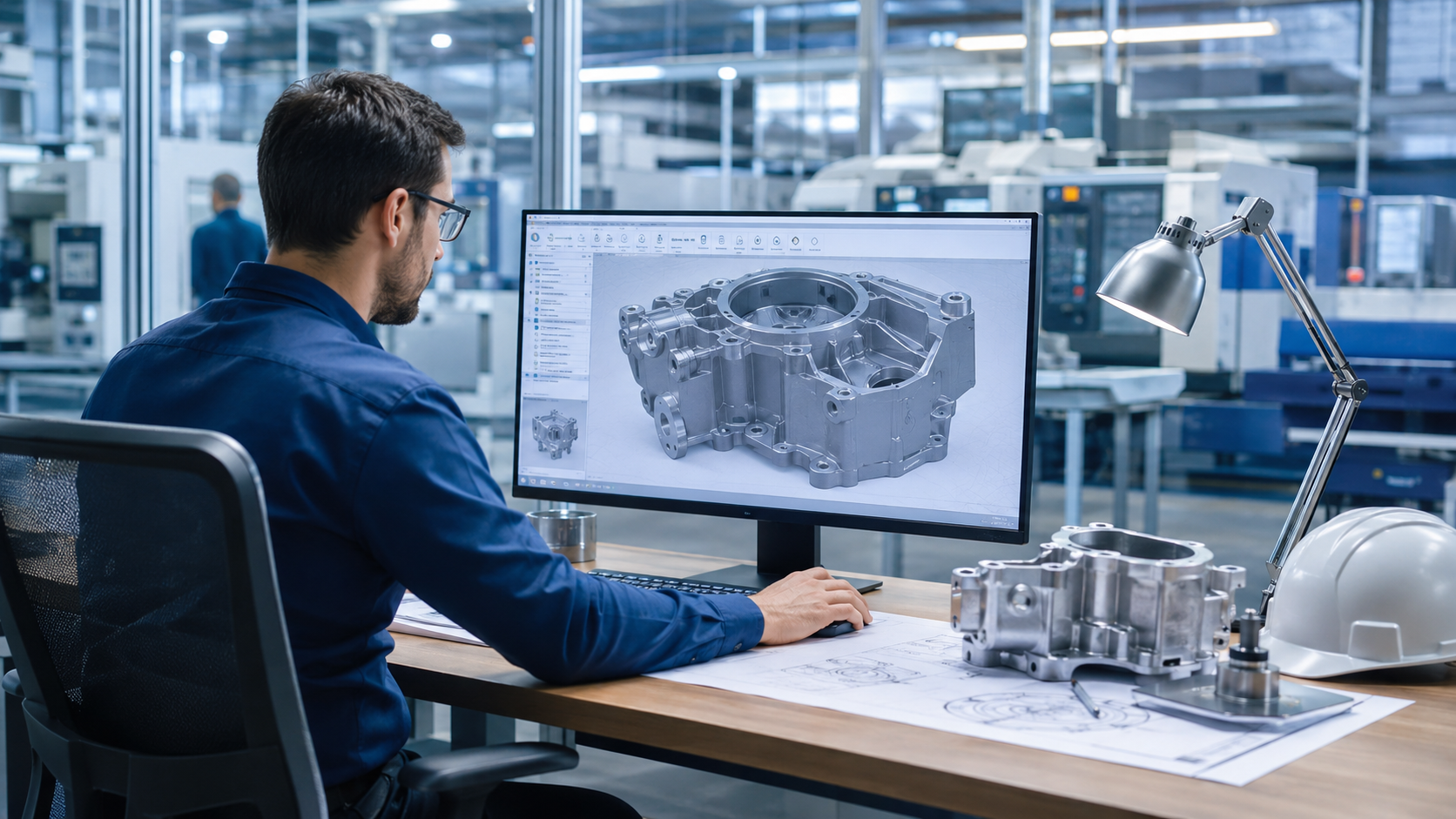
Every project starts with a detailed understanding of the component and its functional requirements. Our engineering team develops the part design with consideration for geometry, dimensional requirements, manufacturability, and casting needs.
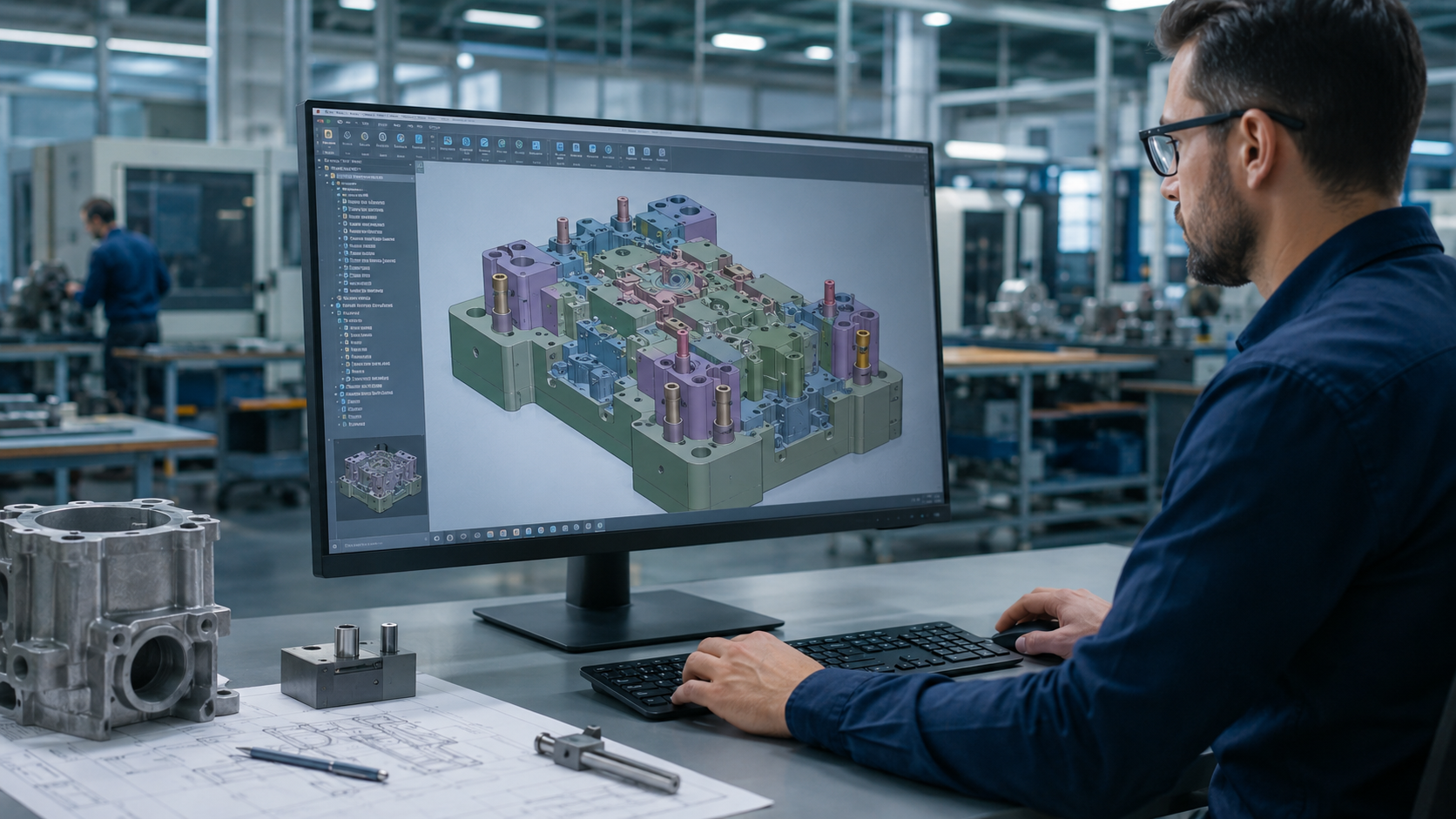
The component design is converted into a detailed die design. Critical factors such as parting lines, allowances, component geometry, alignment, and die functionality are considered to develop a reliable tooling solution.
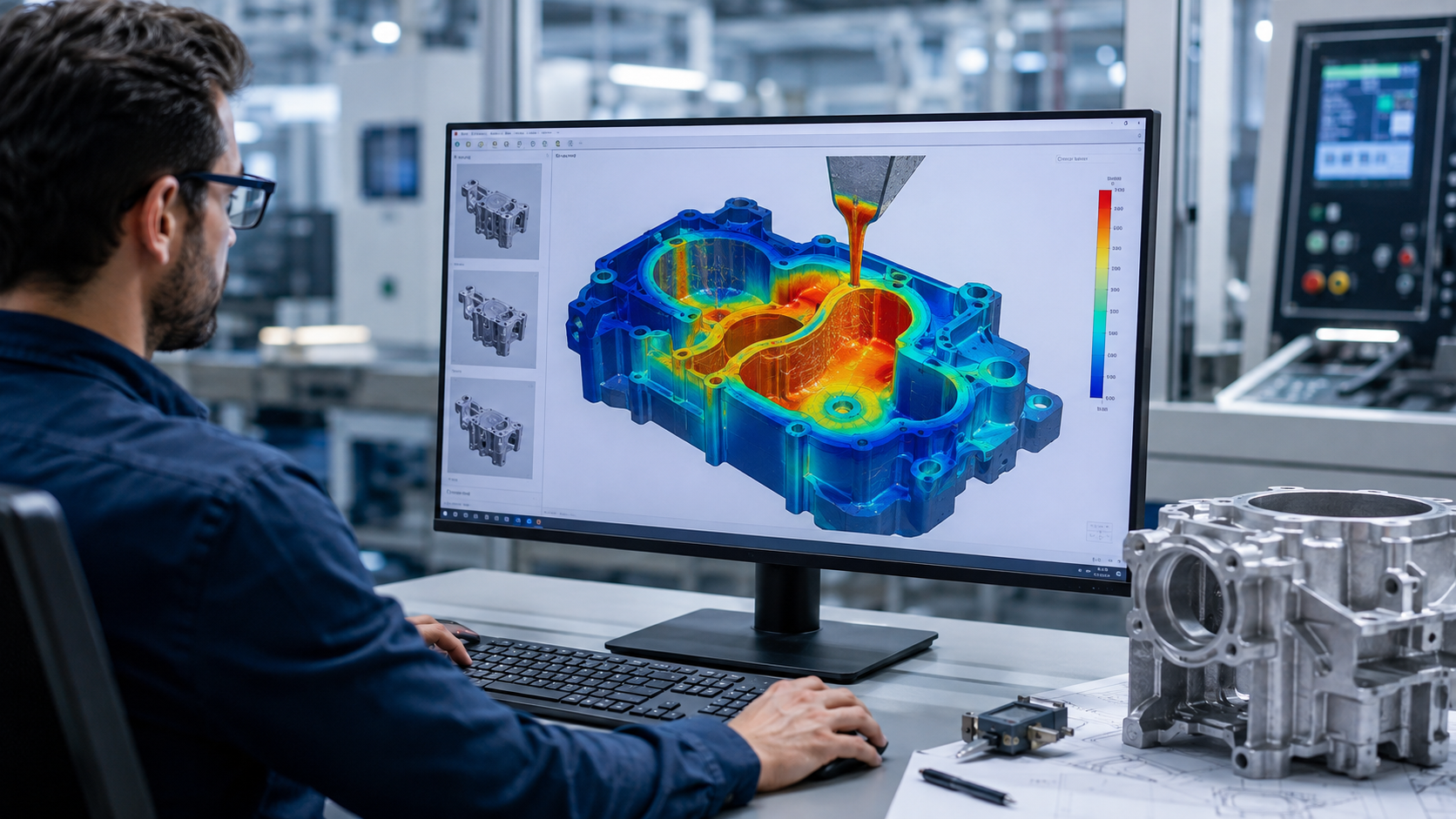
Casting process simulation helps analyze important process parameters such as metal flow, filling behavior, temperature distribution, and potential defect areas. The simulation results help optimize the design and process before physical manufacturing.
This approach can help reduce development risks and improve the likelihood of achieving consistent casting quality.
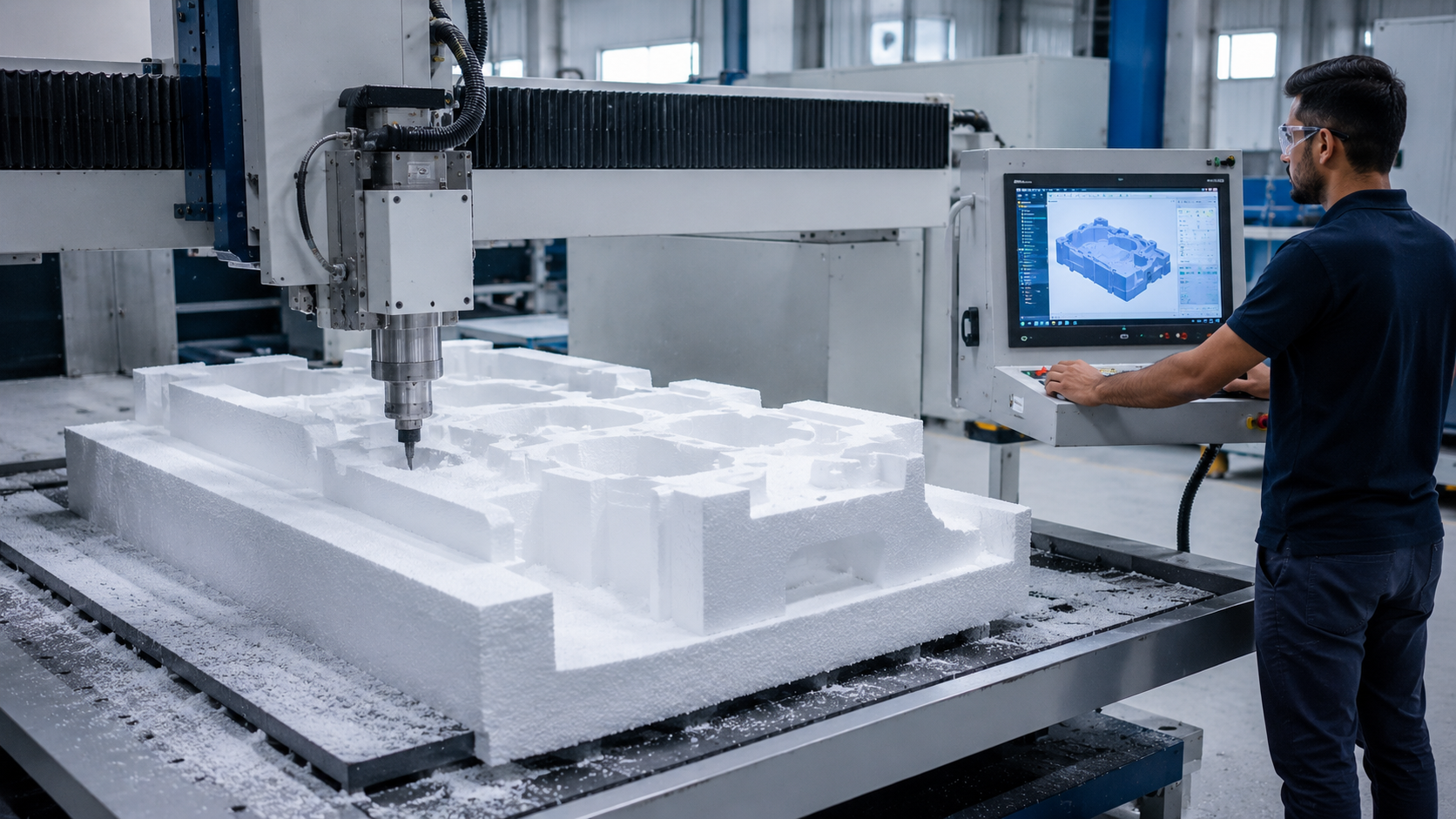
The required thermocol pattern is produced using accurate CNC routing. Controlled machining of the pattern helps achieve the required geometry and dimensional consistency for the next stages of the manufacturing process.
Material selection is an important part of achieving reliable die performance and consistent casting results. Materials are selected according to the component requirements, operating conditions, durability, dimensional stability, and manufacturing process.
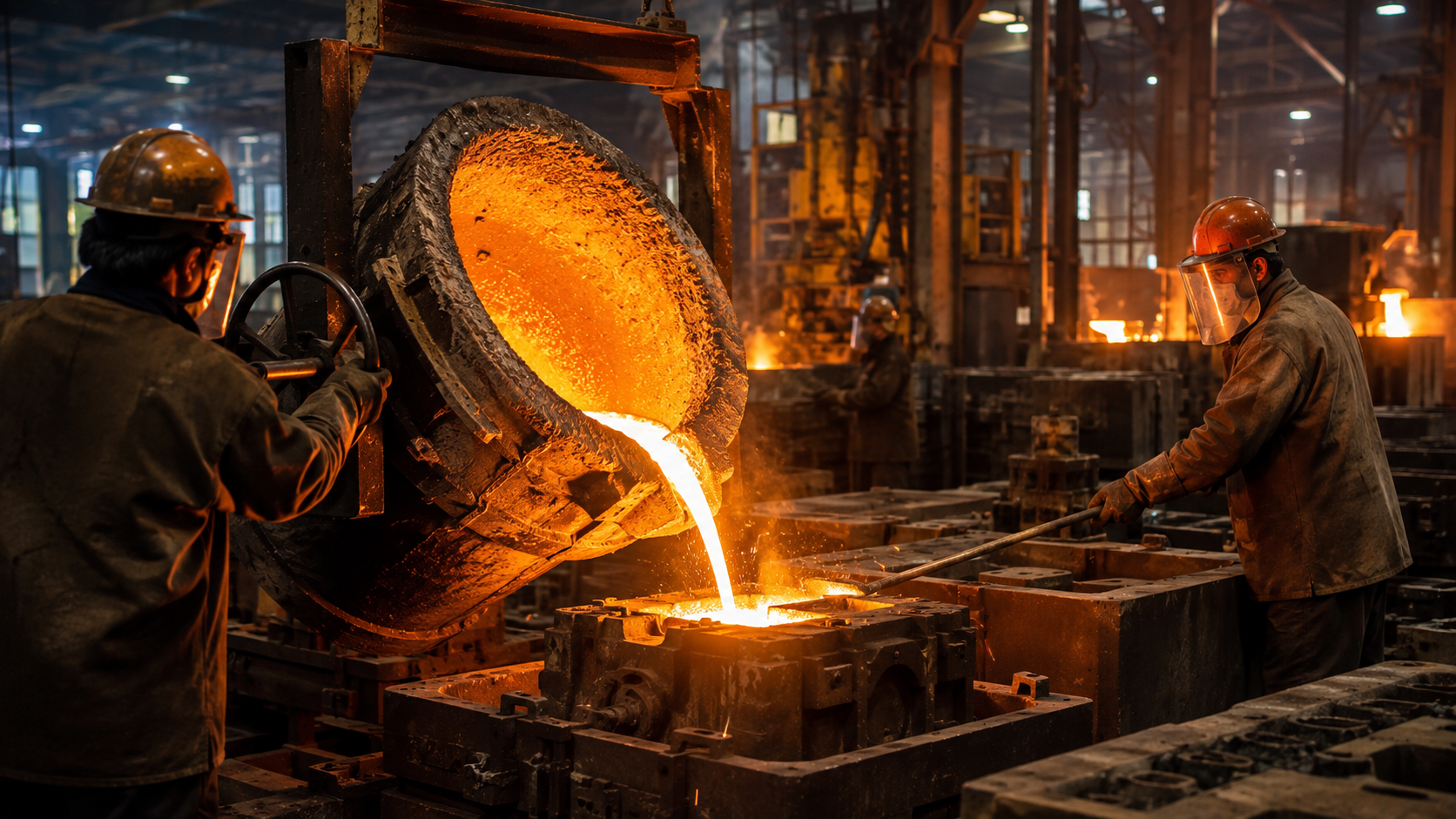
Depending on the component and application, Aluminium or SGI casting material is processed according to the required specifications. Controlled casting practices help achieve consistent component quality, dimensional accuracy, and required material characteristics.
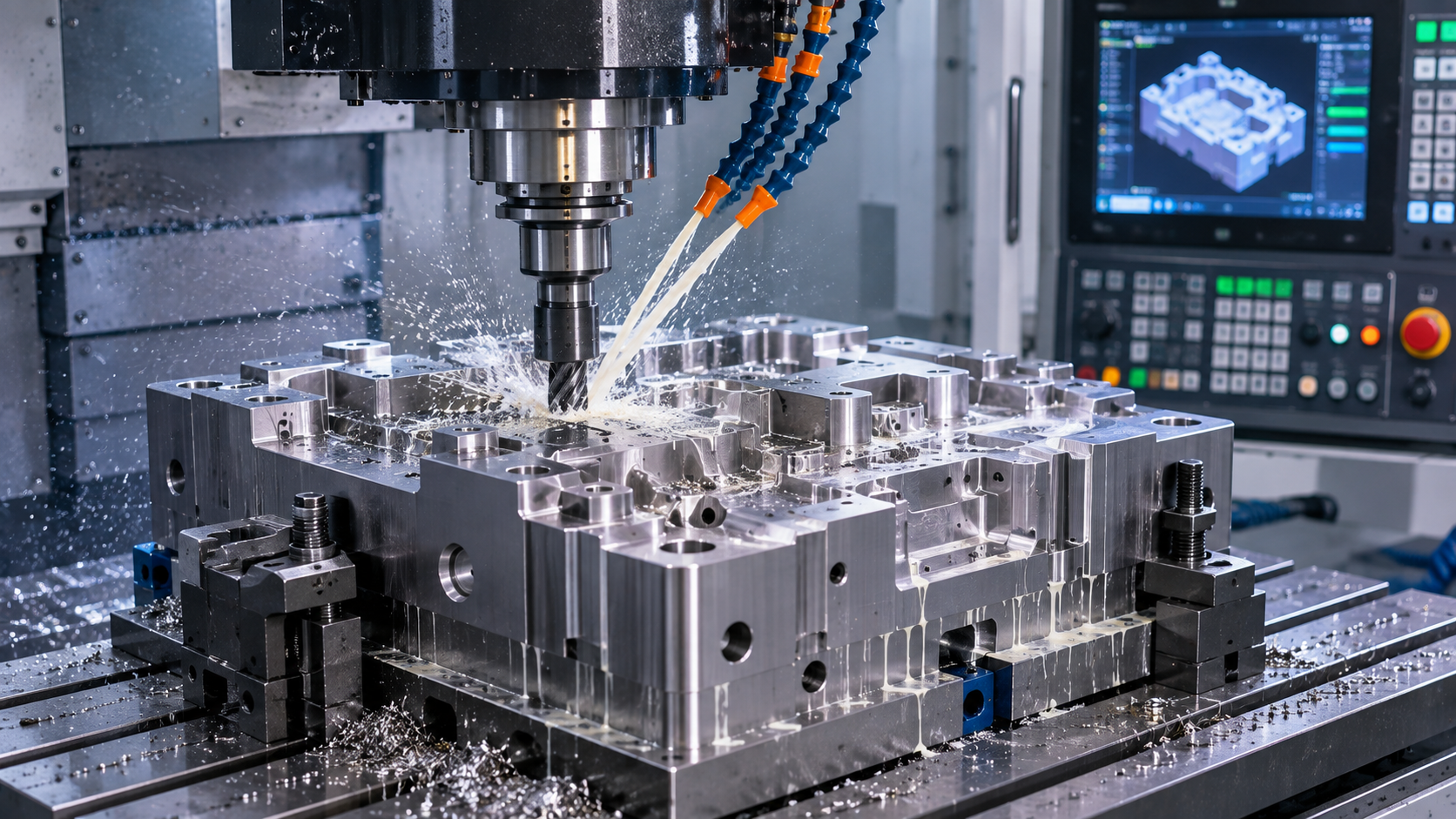
After the initial manufacturing stage, critical components are machined using VMC technology. CNC-controlled machining enables accurate profiles, holes, surfaces, and critical dimensions while maintaining consistency across components.
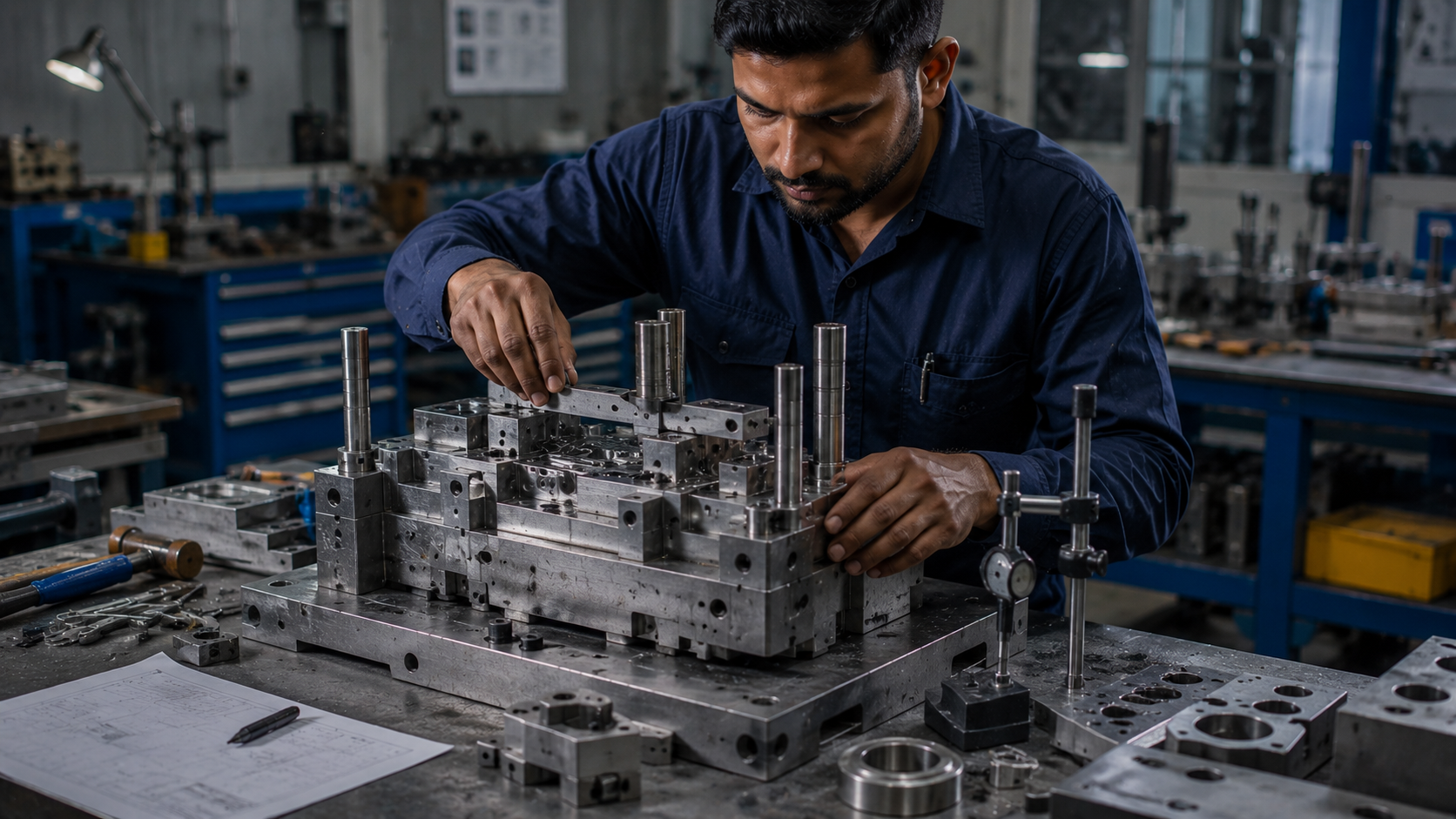
After machining, individual components are carefully fitted and assembled. Mating surfaces, alignment, movement, and functional clearances are checked to ensure proper die operation.
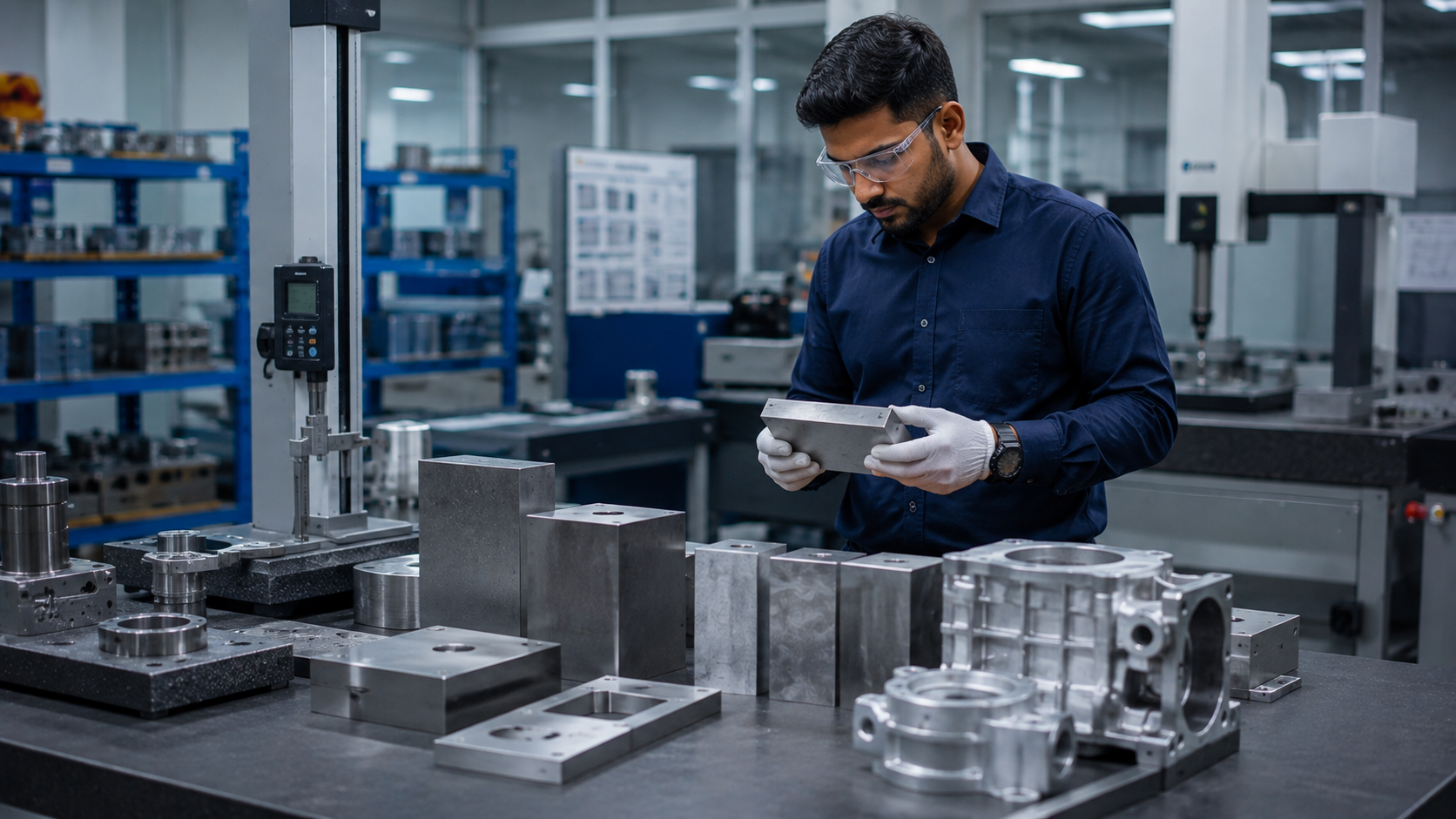
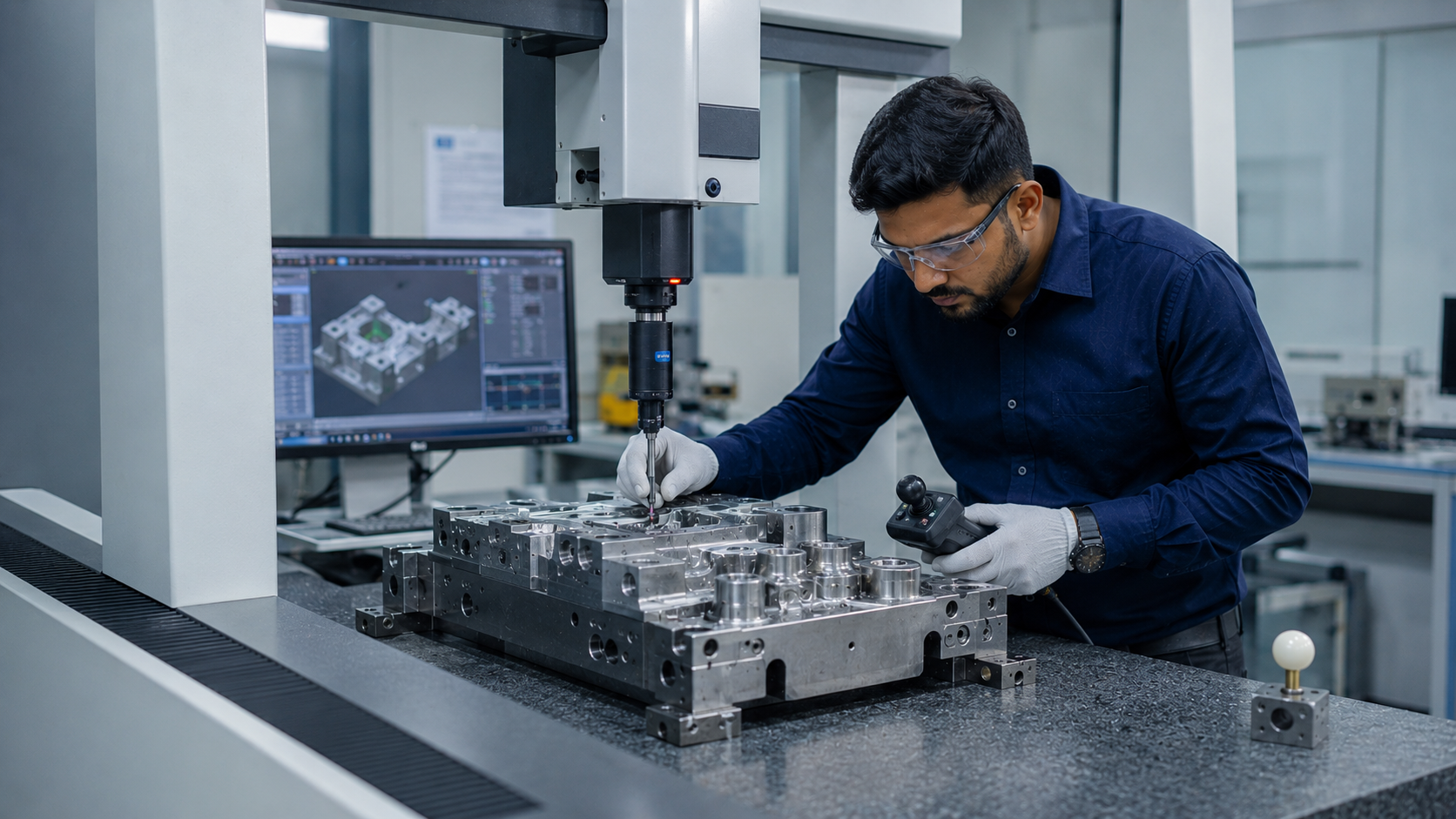
The completed die undergoes a detailed inspection to verify critical dimensions, alignment, surface finish, and other specified tolerances. This stage ensures that the manufactured die meets the required engineering specifications before proceeding to final casting validation.
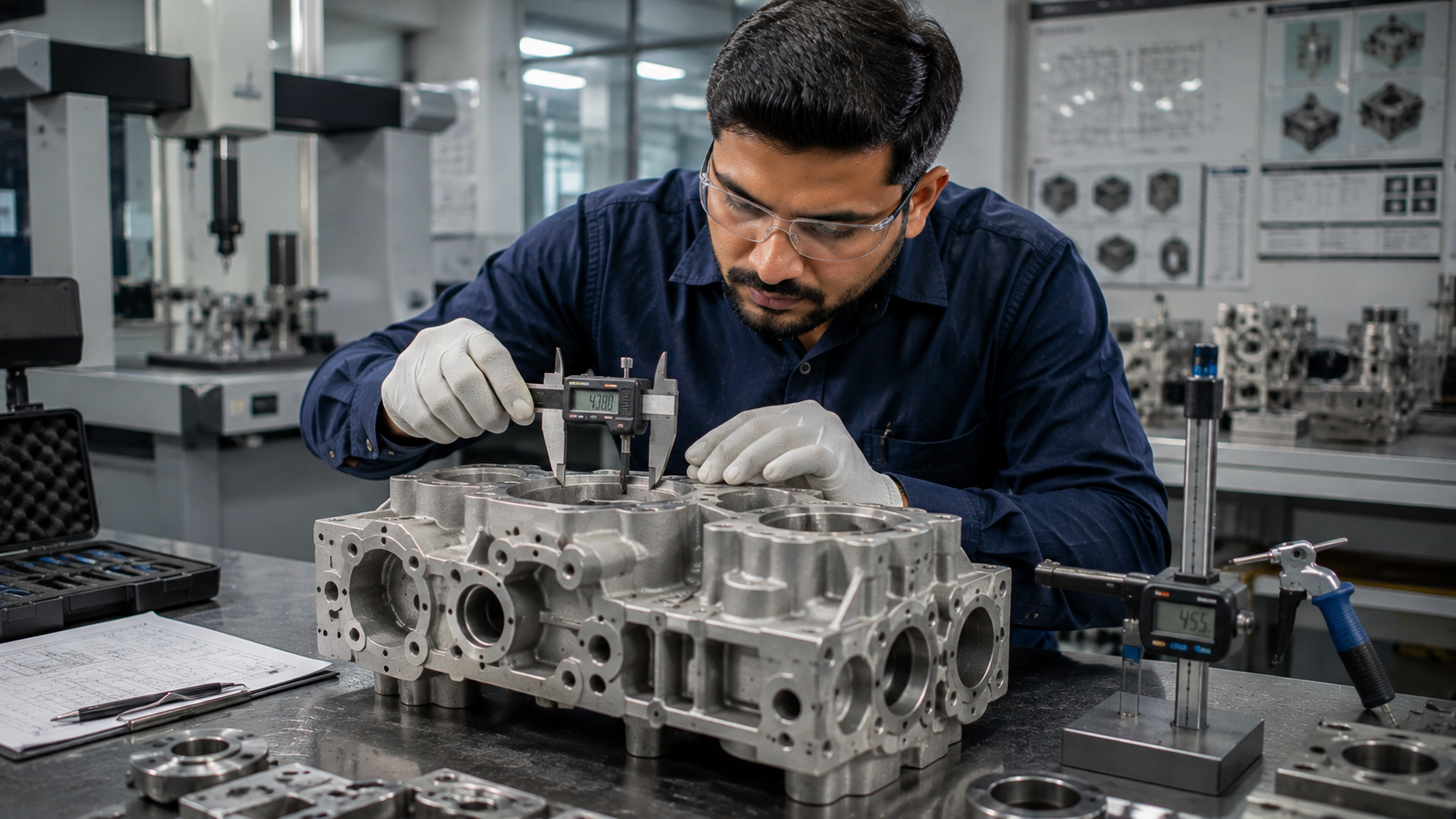
The final casting is inspected to verify dimensional accuracy, surface quality, geometry, and overall casting integrity. This final validation helps ensure that the developed die and casting process deliver the expected results.
Did you like this Work? Please Share